
<?xml version="1.0" encoding="UTF-8"?>
<rss version="2.0"
	xmlns:content="http://purl.org/rss/1.0/modules/content/"
	xmlns:wfw="http://wellformedweb.org/CommentAPI/"
	xmlns:dc="http://purl.org/dc/elements/1.1/"
	xmlns:atom="http://www.w3.org/2005/Atom"
	xmlns:sy="http://purl.org/rss/1.0/modules/syndication/"
	xmlns:slash="http://purl.org/rss/1.0/modules/slash/"
	>

<channel>
	<title>The Scotch Noob</title>
	<atom:link href="http://scotchnoob.com/feed/" rel="self" type="application/rss+xml" />
	<link>http://scotchnoob.com</link>
	<description>Scotch talk for the new generation of Scotch drinkers</description>
	<lastBuildDate>Mon, 20 May 2013 07:29:27 +0000</lastBuildDate>
	<language>en</language>
	<sy:updatePeriod>hourly</sy:updatePeriod>
	<sy:updateFrequency>1</sy:updateFrequency>
	<generator>http://wordpress.org/?v=3.1.3</generator>
		<item>
		<title>Glengoyne (12 year)</title>
		<link>http://scotchnoob.com/2013/05/20/glengoyne-12-year/</link>
		<comments>http://scotchnoob.com/2013/05/20/glengoyne-12-year/#comments</comments>
		<pubDate>Mon, 20 May 2013 07:29:27 +0000</pubDate>
		<dc:creator>The Scotch Noob</dc:creator>
				<category><![CDATA[Reviews]]></category>
		<category><![CDATA[highlands]]></category>
		<category><![CDATA[Malt]]></category>
		<category><![CDATA[Review]]></category>
		<category><![CDATA[Scotch]]></category>
		<category><![CDATA[Sherried]]></category>
		<category><![CDATA[Sherry]]></category>
		<category><![CDATA[Single-Malt]]></category>
		<category><![CDATA[Tasting]]></category>
		<category><![CDATA[Whiskey]]></category>
		<category><![CDATA[Whisky]]></category>

		<guid isPermaLink="false">http://scotchnoob.com/2013/05/20/glengoyne-12-year/</guid>
		<description><![CDATA[This malt has a lot going for it. Despite the recalcitrant nose, there is a delectable balance of nutty and fruity notes on the palate that is unrivaled by sherried malts in this price range. The balance here is impeccable, and the finish is flawless.]]></description>
			<content:encoded><![CDATA[<p>Glengoyne, technically classed as a Highland whisky, toes the Highland line some 20 miles north of Glasgow. In fact, its warehouses sit on the south side of the road, in the Lowlands! There likely aren&#8217;t many whiskies that can claim to be distilled in the Highlands and aged in the Lowlands. Glengoyne is a small facility with limited production, which may contribute to its consistently high-quality malt. I must confess I knew nothing about the distillery until I tried this sample, and was immediately impressed by both the quality and refinement in such a relatively unknown 12 year-old scotch.</p>
<p>Glengoyne&#8217;s marketing is very adamant that the whisky has absolutely no peat character at all, either from the process water or from the barley, which is unusual at zero ppm (even traditionally unpeated Highlanders like Glenlivet have around 2 ppm). The distillery has a right to market its insistence on showcasing the barley, as it is one of two remaining producers that use Golden Promise barley. The other is <a href="http://scotchnoob.com/2011/10/13/the-macallan-18-year/">The Macallan</a>. Golden Promise is considered to be of higher quality, but much more expensive to grow than high-yield commercial strains. The distillery uses a mix of first-fill sherry, refill sherry, and ex-bourbon casks, although its whisky is immediately recognizable as a sherried Highland-style whisky. The 12-year, now bottled at 43% ABV, also uses some first-fill Hogshead ex-bourbon barrels &#8211; a first for Glengoyne. All Glengoyne has natural color, but this bottling (and all other Glengoyne, except the cask-strength version) is chill-filtered.</p>
<p><strong>Nose</strong>: Hot. Faint elements of sherry &#8211; mildly nutty and fruity. Shy &#8211; I can&#8217;t determine much from the nose. After a rest in the glass, there&#8217;s a bit of caramel.</p>
<p><strong>Palate</strong>: Soft and silky. Light fruits and nut butters initially, very well integrated. Like a peanut butter and jelly sandwich in distilled form &#8211; very unlike anything else I&#8217;ve tried, although it reminds me a bit of <a href="http://scotchnoob.com/2011/12/08/the-glenrothes-1995-vintage/">Glenrothes</a>.</p>
<p><strong>Finish</strong>: The sherry is more dominant on the finish, with distinct notes of berry jam and fruit juice. Fades with hazelnuts and no bitterness.</p>
<p><strong>With Water</strong>: Water fails to wake up the nose, and does nothing interesting for the palate. I&#8217;d skip the water.</p>
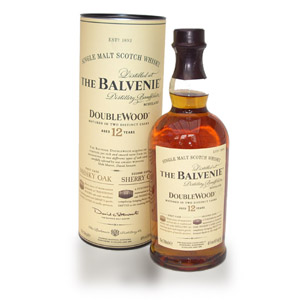
<p><strong>Overall</strong>: This malt has a lot going for it. Despite the recalcitrant nose, there is a delectable balance of nutty and fruity notes on the palate that is unrivaled by sherried malts in this price range. The balance here is impeccable, and the finish is flawless &#8211; no overly-wooded character flaws. While I still prefer <a href="http://scotchnoob.com/2011/06/21/glendronach-12-year-original/">GlenDronach</a> for all-in sherry, this malt contends with <a href="http://scotchnoob.com/2011/01/17/the-balvenie-12-year-doublewood/">Balvenie DoubleWood 12</a> for the &#8220;mid-priced partially sherried malt&#8221; slot in my cabinet.</p>
<p><i>Note: This new bottling (added alongside the existing 12 year-old cask strength bottling) may be difficult to find in the US. The 17 is apparently even better, and reasonably priced between $50 and $60.</i>
<div style='display:block;margin-bottom:20px'></div>
<div class='distillery'><img src="/images/stills.png"><h2>About The Distillery</h2>Owned by Ian Macleod Distillers, Glengoyne will go out of its way to tell you that it&#8217;s not peated, in any form. Despite being located only 20 miles from categorical Lowlander Auchentoshan, Glengoyne distillery actually lies on the north side of the Highland Line, although its warehouses lie on the Lowland side. Slow fermentation (56 hours) and slow distilling with maximum copper contact are responsible for the nutty character of Glengoyne&#8217;s malt, as is its careful use of both first-fill sherry casks and ex-bourbon casks. Glengoyne is also proud of its continued use of Golden Promise barley, which is of higher quality but harder to grow than other commercial strains. It shares this trait with The Macallan. Process water comes from the Glengoyne burn which flows from Loch Lomond, in the Highlands.</div>
]]></content:encoded>
			<wfw:commentRss>http://scotchnoob.com/2013/05/20/glengoyne-12-year/feed/</wfw:commentRss>
		<slash:comments>0</slash:comments>
		</item>
		<item>
		<title>Ledaig (10 year)</title>
		<link>http://scotchnoob.com/2013/05/13/ledaig-10-year/</link>
		<comments>http://scotchnoob.com/2013/05/13/ledaig-10-year/#comments</comments>
		<pubDate>Mon, 13 May 2013 07:29:25 +0000</pubDate>
		<dc:creator>The Scotch Noob</dc:creator>
				<category><![CDATA[Reviews]]></category>
		<category><![CDATA[Malt]]></category>
		<category><![CDATA[peat]]></category>
		<category><![CDATA[peated]]></category>
		<category><![CDATA[Review]]></category>
		<category><![CDATA[Scotch]]></category>
		<category><![CDATA[Single-Malt]]></category>
		<category><![CDATA[Talisker]]></category>
		<category><![CDATA[Tasting]]></category>
		<category><![CDATA[Whiskey]]></category>
		<category><![CDATA[Whisky]]></category>

		<guid isPermaLink="false">http://scotchnoob.com/2013/05/13/ledaig-10-year/</guid>
		<description><![CDATA[A nose overly dominant with peat is improved by better balance on the tongue and in the finish. While still less focused and more "dirty" (in the sense of the assorted unpleasant side-effects of peat) than similarly-priced Islays, there is reasonable complexity.]]></description>
			<content:encoded><![CDATA[<p>Once cannot review <a href="http://scotchnoob.com/2013/05/06/tobermory-10-year/">Tobermory</a> without also tasting its other bottling of peated malt, Ledaig. Much like <a href="http://scotchnoob.com/2011/05/23/springbank-100-proof-10-year/">Springbank</a> releases a heavily-peated malt by the name of Longrow, Tobermory makes both an <a href="http://scotchnoob.com/2013/05/06/tobermory-10-year/">unpeated</a> malt under its own name, and this heavily-peated malt. Both also acquire peat character from the water the flows to the distillery over bogs. Unlike many distilleries in the Scottish islands, Tobermory matures its malts in a warehouse on the mainland, not on the island.</p>
<p><strong>Nose</strong>: Unmistakably peated. Oily, with tobacco, iodine, vinegar, and smoke. The earthy peat of Tobermory is here totally eclipsed by in-your-face smokiness. Very similar to Islay malts, particularly the brash younger ones. The peat here is somewhat muddy and unfocused.</p>
<p><strong>Palate</strong>: Medium body with some creaminess. The peat takes a step back, allowing its origin as Tobermory to show. Those industrial oily notes emerge, along with some caramel and vanilla, and a good dose of ashy barrel char.</p>
<p><strong>Finish</strong>: Complex and long. Cigar ash, smoking meats, salty brine, and seaweed. Now the peat is in better harmony with the malt.</p>
<p><strong>With Water</strong>: Water seems unnecessary &#8211; it makes the peat smell more like cigarette ash, to me, although it may sweeten the palate.</p>
<p><strong>Overall</strong>: A nose overly dominant with peat is improved by better balance on the tongue and in the finish. While still less focused and more &#8220;dirty&#8221; (in the sense of the assorted unpleasant side-effects of peat) than similarly-priced Islays, there is reasonable complexity. For someone who loves peat but has grown tired of the standards, Ledaig offers a different take. It is especially enlightening when tasted alongside its brother-in-arms, Tobermory. Like Tobermory, Ledaig benefits from long-aging, and the older (20+ years) malts are considered to be refined and complex. For that reason, and for the unfocused, muddy quality of the peat, I don&#8217;t recommend Ledaig 10-year, although it is priced more competitively than its sibling, Tobermory.</p>
<div class="review_block_mark_container"><div class="review_block_mark_small">ScotchNoob&#0153; <a href='http://scotchnoob.com/?page_id=264'>Mark</a>: <a href="http://scotchnoob.com/?page_id=264"><img style="vertical-align:bottom;" border=0 src="http://scotchnoob.com/images/rating_2.png"></a></div></div><br />
<div class='distillery'><img src="/images/stills.png"><h2>About The Distillery</h2>This distillery is owned by Burn Stewart Distillers plc, and produces two single-malts: Tobermory, a dry, mid-peated dram and Ledaig, a heavily-peated malt in the Islay style. Both are used in the blends Scottish Leader and Black Bottle. The distillery is located on the Isle of Mull, a location geographically similar to Talisker on Skye. Tobermory was once the name of a blended whisky, and then a vatted malt, but adorned the distillery&#8217;s official single-malt bottling starting in 1989. Peaty water, entirely responsible for the smokiness of Tobermory, is collected from a dam near the Misnish Lochs and piped to the distillery. For Ledaig, the distillery uses peated barley. Both whiskies are aged on the mainland, not on Mull.</div>
]]></content:encoded>
			<wfw:commentRss>http://scotchnoob.com/2013/05/13/ledaig-10-year/feed/</wfw:commentRss>
		<slash:comments>2</slash:comments>
		</item>
		<item>
		<title>The Noob on Podcast</title>
		<link>http://scotchnoob.com/2013/05/09/the-noob-on-podcast/</link>
		<comments>http://scotchnoob.com/2013/05/09/the-noob-on-podcast/#comments</comments>
		<pubDate>Thu, 09 May 2013 16:16:16 +0000</pubDate>
		<dc:creator>The Scotch Noob</dc:creator>
				<category><![CDATA[Updates]]></category>

		<guid isPermaLink="false">http://scotchnoob.com/?p=1371</guid>
		<description><![CDATA[I was invited on the Mic'd Anger podcast by Rochester, NY radio DJ Mike Danger this week. You can listen to our conversation about scotch, the blog, and other topics here: <a target=_blank href="http://media.rochesterbuzz.com/a/74552150/mic-d-anger-episode-8-the-scotch-noob.htm">http://media.rochesterbuzz.com/a/74552150/mic-d-anger-episode-8-the-scotch-noob.htm</a>.]]></description>
			<content:encoded><![CDATA[<p>I was invited on the Mic&#8217;d Anger podcast by Rochester, NY radio DJ Mike Danger this week. You can listen to our conversation about scotch, the blog, and other topics here: <a target=_blank href="http://media.rochesterbuzz.com/a/74552150/mic-d-anger-episode-8-the-scotch-noob.htm">http://media.rochesterbuzz.com/a/74552150/mic-d-anger-episode-8-the-scotch-noob.htm</a>.</p>
<p>Cheers!</p>
]]></content:encoded>
			<wfw:commentRss>http://scotchnoob.com/2013/05/09/the-noob-on-podcast/feed/</wfw:commentRss>
		<slash:comments>2</slash:comments>
		</item>
		<item>
		<title>Tobermory (10 year)</title>
		<link>http://scotchnoob.com/2013/05/06/tobermory-10-year/</link>
		<comments>http://scotchnoob.com/2013/05/06/tobermory-10-year/#comments</comments>
		<pubDate>Mon, 06 May 2013 07:29:13 +0000</pubDate>
		<dc:creator>The Scotch Noob</dc:creator>
				<category><![CDATA[Reviews]]></category>
		<category><![CDATA[Malt]]></category>
		<category><![CDATA[peat]]></category>
		<category><![CDATA[peated]]></category>
		<category><![CDATA[Review]]></category>
		<category><![CDATA[Scotch]]></category>
		<category><![CDATA[Single-Malt]]></category>
		<category><![CDATA[Talisker]]></category>
		<category><![CDATA[Tasting]]></category>
		<category><![CDATA[Whiskey]]></category>
		<category><![CDATA[Whisky]]></category>

		<guid isPermaLink="false">http://scotchnoob.com/2013/05/06/tobermory-10-year/</guid>
		<description><![CDATA[This is akin to 10 year-old Springbank in many ways - from the earthy "not quite smokey" peat, to the industrial oily notes, and the emphasis on barrel char. At around $55, there isn't a lot of reason to recommend this 10 year-old.]]></description>
			<content:encoded><![CDATA[<p>Tobermory is a distillery located in the town of Tobermory on the Isle of Mull. Positioned geographically between Islay and the Isle of Skye, it shares taste elements with both the peaty Islay malts and the rocky, salty malt of Talisker. I think it bears the most resemblance, however, to the Campbeltown distillery of <a href="http://scotchnoob.com/2011/05/23/springbank-100-proof-10-year/">Springbank</a>. The distillery, like many, has had a rocky history during which it suffered many closures and re-openings. It was briefly renamed as Ledaig distillery in the 1970s. The name Tobermory also adorned bottlings of a blended scotch, and later a vatted malt, before finally being bottled as a single malt in 1989.</p>
<p>Tobermory is mildly peated, but only because of the water that runs over peat bogs above the distillery. Tobermory uses unpeated malt. However, the distillery also produces a heavily-peated malt named Ledaig. Ledaig&#8217;s heavy peat character is derived from both the peated water and peated malt.</p>
<p><strong>Nose</strong>: Yeasty and robust, with some dark, mushroomy peat and smoldering coals over a layer of butterscotchy malt. The peat has an oily, industrial quality not unlike Springbank. A rest in the glass reveals some elements of bourbon cask aging &#8211; caramel and vanilla.</p>
<p><strong>Palate</strong>: Medium bodied. Even tongue burn, with a nice balance of alcohol to malty sweetness at 46.3% ABV. Here the malt sugars emerge in the form of burnt caramel and assorted cereal notes, although the peat becomes a bit muddy.</p>
<p><strong>Finish</strong>: Long and peaty, but in an earthy way. More caramel, vanilla and barrel char. Not particularly bitter, although the fade-out leaves some ashy, asphalt notes.</p>
<p><strong>With Water</strong>: Water tames the peat somewhat, revealing more vanilla and malt. A few drops can&#8217;t hurt, but don&#8217;t dilute it too much.</p>
<p><strong>Overall</strong>: This is akin to 10 year-old Springbank in many ways &#8211; from the earthy &#8220;not quite smokey&#8221; peat, to the industrial oily notes, and the emphasis on barrel char. I think I prefer Springbank for its clearer malt character and eclectic complexity. Still, this &#8220;poor man&#8217;s Springbank&#8221; isn&#8217;t bad for the price, and I think the choice of bottling at 46.3% ABV is spot-on. The earthy, mushroomy quality of peated whisky is clear despite only coming from the water, although it is less prominent than in a fully peated whisky, such as those from Islay. At around $55, there isn&#8217;t a lot of reason to recommend this 10 year-old. It has been said that Tobermory and Ledaig are better suited to long aging, and that the 20+ year-old bottlings are refined and complex. It thus may be worthwhile skipping Tobermory unless you particularly like the oily/mildly peated style and are looking for alternatives to Springbank.</p>
<div class="review_block_mark_container"><div class="review_block_mark_small">ScotchNoob&#0153; <a href='http://scotchnoob.com/?page_id=264'>Mark</a>: <a href="http://scotchnoob.com/?page_id=264"><img style="vertical-align:bottom;" border=0 src="http://scotchnoob.com/images/rating_2.png"></a></div></div><br />
<div class='distillery'><img src="/images/stills.png"><h2>About The Distillery</h2>This distillery is owned by Burn Stewart Distillers plc, and produces two single-malts: Tobermory, a dry, mid-peated dram and Ledaig, a heavily-peated malt in the Islay style. Both are used in the blends Scottish Leader and Black Bottle. The distillery is located on the Isle of Mull, a location geographically similar to Talisker on Skye. Tobermory was once the name of a blended whisky, and then a vatted malt, but adorned the distillery&#8217;s official single-malt bottling starting in 1989. Peaty water, entirely responsible for the smokiness of Tobermory, is collected from a dam near the Misnish Lochs and piped to the distillery. For Ledaig, the distillery uses peated barley. Both whiskies are aged on the mainland, not on Mull.</div>
]]></content:encoded>
			<wfw:commentRss>http://scotchnoob.com/2013/05/06/tobermory-10-year/feed/</wfw:commentRss>
		<slash:comments>1</slash:comments>
		</item>
		<item>
		<title>The BenRiach (12 year)</title>
		<link>http://scotchnoob.com/2013/04/29/the-benriach-12-year/</link>
		<comments>http://scotchnoob.com/2013/04/29/the-benriach-12-year/#comments</comments>
		<pubDate>Mon, 29 Apr 2013 07:29:46 +0000</pubDate>
		<dc:creator>The Scotch Noob</dc:creator>
				<category><![CDATA[Reviews]]></category>
		<category><![CDATA[BenRiach]]></category>
		<category><![CDATA[Malt]]></category>
		<category><![CDATA[Review]]></category>
		<category><![CDATA[Scotch]]></category>
		<category><![CDATA[Single-Malt]]></category>
		<category><![CDATA[Speyside]]></category>
		<category><![CDATA[Tasting]]></category>
		<category><![CDATA[Whiskey]]></category>
		<category><![CDATA[Whisky]]></category>

		<guid isPermaLink="false">http://scotchnoob.com/2013/04/29/the-benriach-12-year/</guid>
		<description><![CDATA[The palate is even and crisp, with clear flavors of barley and light oak. It seems to me, however, to be a bit of a blank canvas, and the vinegar on the nose is a bit more sour than I'd like. In fact, the leanness of the malt is such that I'd wonder if it was a lowlander - it bears a lot of resemblance to younger Auchentoshan.]]></description>
			<content:encoded><![CDATA[<p>When I think of BenRiach, I think of asceticism. The house style is very un-Speyside: light, airy, dry, minerally, and spare. Tasting blind, I would think it was a lowlander of the Auchentoshan variety. BenRiach is now owned by a small, independent consortium known as The BenRiach Distillery Company, which also owns GlenDronach and has done wonders there. The company bought BenRiach in 2004, saving it from a brief period of mothballing, and promptly began releasing the built-up stocks as a variety of single-malt expressions which won it a lot of fanfare.</p>
<p>BenRiach is one of those insider darlings that doesn&#8217;t yet have the mass-market appeal to make it &#8216;uncool&#8217;, just like GlenDronach. While I&#8217;m a big believer and fan of GlenDronach, I seem to have trouble seeing eye-to-eye with BenRiach&#8217;s malt. I was underwhelmed by its <a href="http://scotchnoob.com/2010/11/19/the-benriach-10-year-curiositas/">&#8216;Curiositas&#8217;</a> expression (a peated 10 year-old), and this 12 year-old standard bottling is just too dry and lean for me. BenRiach has vocal proponents, so don&#8217;t write it off solely on my disliking of it. If you enjoy particularly light, airy malts where one must search for the complexity, definitely give this one a try. Note: There seems to be both a 40% ABV and a 43% ABV version on the market &#8211; probably one for the UK and the other for the US. This bottle was from UK retailer Master of Malt, and is 40% ABV.</p>
<p><strong>Nose</strong>: Light, with some tart fruit notes (kiwi? green apple?). A bit on the hot side for 40% ABV. Some light toasty oak notes underline the fruit, and a bit of vanilla. The tart notes verge on vinegary, especially right out of the bottle.</p>
<p><strong>Palate</strong>: Nicely creamy body. Hay and raw oats followed by light brown sugar and a nice even maltiness. Clean and crisp.</p>
<p><strong>Finish</strong>: Honey and malt. Some light oaky bitterness fades out with nondescript florals.</p>
<p><strong>With Water</strong>: Water releases a very nice array of florals and some green grass notes and aloe. Definitely try it with a few drops.</p>
<p><strong>Overall</strong>: Not my new favorite, although I can see the tart notes in the nose being a draw. The palate is even and crisp, with clear flavors of barley and light oak. It seems to me, however, to be a bit of a blank canvas, and the vinegar on the nose is a bit more sour than I&#8217;d like. In fact, the leanness of the malt is such that I&#8217;d wonder if it was a lowlander &#8211; it bears a lot of resemblance to younger Auchentoshan. I do believe that while going through a full bottle, this style will grow on you, but upon first impression I&#8217;m not a fan.</p>
<div class="review_block_mark_container"><div class="review_block_mark_small">ScotchNoob&#0153; <a href='http://scotchnoob.com/?page_id=264'>Mark</a>: <a href="http://scotchnoob.com/?page_id=264"><img style="vertical-align:bottom;" border=0 src="http://scotchnoob.com/images/rating_3.png"></a></div></div><br />
<div class='distillery'><img src="/images/stills.png"><h2>About The Distillery</h2>Sister distillery to GlenDronach &#8211; both are owned by The BenRiach Distillery Company, which saved BenRiach from mothballing by previous owners Pernod Ricard. The distillery has had a rocky past, being first mothballed 2 years after opening in 1898, to lay fallow for more than 60 years. It was then primarily used as a blending component until recently, when it has shown well on the single malt circuit. BenRiach produces a lighter distillate with a wide cut that shows the elegance of the barley. Some heavily-peated stocks (probably made to supplement Islay malt in blends) have been released as unusual peated Speyside single malts. The process water is from Brown Muir, which runs over sandstone and is quite hard water. The distillery has six stills, eight stainless steel washbacks, and has just reopened its own floor maltings. It is flourishing under new ownership, which bodes well for the future.</div>
]]></content:encoded>
			<wfw:commentRss>http://scotchnoob.com/2013/04/29/the-benriach-12-year/feed/</wfw:commentRss>
		<slash:comments>4</slash:comments>
		</item>
		<item>
		<title>Kirkland Speyside Sherry Cask Finish &#8211; 20 year</title>
		<link>http://scotchnoob.com/2013/04/22/kirkland-speyside-sherry-cask-finish-20-year/</link>
		<comments>http://scotchnoob.com/2013/04/22/kirkland-speyside-sherry-cask-finish-20-year/#comments</comments>
		<pubDate>Mon, 22 Apr 2013 07:29:49 +0000</pubDate>
		<dc:creator>The Scotch Noob</dc:creator>
				<category><![CDATA[Reviews]]></category>
		<category><![CDATA[highlands]]></category>
		<category><![CDATA[independent bottler]]></category>
		<category><![CDATA[Macallan]]></category>
		<category><![CDATA[Review]]></category>
		<category><![CDATA[Scotch]]></category>
		<category><![CDATA[Sherried]]></category>
		<category><![CDATA[Sherry]]></category>
		<category><![CDATA[Single-Malt]]></category>
		<category><![CDATA[Tasting]]></category>
		<category><![CDATA[Whiskey]]></category>
		<category><![CDATA[Whisky]]></category>

		<guid isPermaLink="false">http://scotchnoob.com/2013/04/22/kirkland-speyside-sherry-cask-finish-20-year/</guid>
		<description><![CDATA[This is 20 year-old malt whisky with no major flaws for under $50. That's unheard-of, especially in today's overheated scotch market. If your wallet is hurting from the price hikes on official bottlings of your favorite scotches, and you don't mind a slight downgrade in quality in your value malts, then I recommend grabbing a bottle while it's still available.]]></description>
			<content:encoded><![CDATA[<p>We&#8217;ve been seeing a lot of this sort of thing recently from independent bottler Alexander Murray &#038; Co., who also bottled the Trader Joe&#8217;s unlabelled <a href="http://scotchnoob.com/2012/12/31/trader-joes-speyside-single-malt-18-year-1993/">Speyside 18</a> single malt. The oddity here is that Kirkland&#8217;s (Costco&#8217;s) own-label bottlings of sherry-aged whisky are always Macallan, and they always say so. This one doesn&#8217;t. Online speculation states this is proof that it&#8217;s not Macallan, and is instead some lesser-known distillery like Mortlach or Longmorn &#8211; something your average Costco shopper would pass by. After putting off a purchase for several months and totally missing the bandwagon, I finally caved in to the siren song of old whisky for low price and invested in a bottle.</p>
<p>The first thing that struck me on the label is that it says the whisky was aged in &#8220;Oak casks for 20 years and then finished in sherry casks&#8221; for an undisclosed amount of time. Since all whisky is aged in oak casks, the first statement isn&#8217;t very helpful. It should be clear, though, that this was not aged for 20 years in ex-sherry. That means it likely spent that time in ex-bourbon casks or possibly reconditioned (scraped and re-toasted) barrels. This is a departure from Macallan&#8217;s Sherry Oak line (10, 12, 18, and 25 year-old official bottlings), which are aged exclusively in sherry, not just finished in it. If this IS Macallan, then Alexander Murray &#038; Co. did something very un-Macallan to it. Maybe that&#8217;s why Macallan doesn&#8217;t want their name on it?</p>
<p><strong>Color</strong>: Dark amber. Considering the aging process described, that means it&#8217;s almost certainly colored.</p>
<p><strong>Nose</strong>: Unmistakable sherry. Some bright red fruits &#8211; currant &#8211; on top of a deep, nutty layer of well-rounded malt. By God, this smells like Macallan. There is a distinct lack of rancio, leather, or other telling characteristics of long-term sherry maturation, which is consistent with the idea that the malt was in ex-bourbon (or perhaps reconditioned refill sherry casks) for the lion&#8217;s share of its age. That makes it pointless to compare to Macallan&#8217;s official bottling range, so drinkers of The Macallan 18 will be disappointed to find this isn&#8217;t &#8220;as good&#8221;. However, from the nose alone this seems like an excellent malt in its own right. The bright, fresh red fruits pop, and the mature malt provides a nutty and not overly-sweet backdrop.</p>
<p><strong>Palate</strong>: On the tame side. The fruit here is dried, and somewhat dusty, and there are hints of tobacco, white pepper, and sappy oak. It just doesn&#8217;t go anywhere.</p>
<p><strong>Finish</strong>: Medium-short. Fruit jam up front, fading into walnut meats, fruitcake, and fig paste. A tinge of charcoal and faint oak tannin &#8211; not quite bitter. This doesn&#8217;t linger like a GlenDronach or an OB Macallan, but it is straightforward, pleasant, and inoffensive.</p>
<p><strong>With Water</strong>: A few drops of water don&#8217;t seem to me to make much difference. At 40%, this doesn&#8217;t need any further dilution.</p>
<p><strong>Overall</strong>: My personal theory is that because this is a malt matured in non-sherry for 20 years and then finished in sherry, The Macallan did not want to tarnish their brand image by allowing Kirkland to name the distillery on the bottle and confuse drinkers accustomed to Macallan&#8217;s all-sherry, all-the-time house style. If you associate old sherried malts with notes of leather, rancio, resin, and concentrated fruit reductions (like I do), you will be hard-pressed to reconcile the flavors here &#8211; excellent though they might be &#8211; with the phrases &#8220;sherry cask&#8221; and &#8220;aged 20 years&#8221; on the bottle. It might be more helpful to think of this as a 20 year-old ex-bourbon Speysider with a top-dressing of sherry finish, à la Glenmorangie&#8217;s Lasanta.</p>
<p>Bottom-line: This is 20 year-old malt whisky with no major flaws for under $50. That&#8217;s unheard-of, especially in today&#8217;s overheated scotch market. If your wallet is hurting from the price hikes on official bottlings of your favorite scotches, and you don&#8217;t mind a slight downgrade in quality in your value malts, then I recommend grabbing a bottle while it&#8217;s still available. Then grab another one after you&#8217;ve tasted it. If this thing had The Macallan name on it, it&#8217;d be at least $100. If it was actually official Macallan, it&#8217;d be $200. Tasting blind, it&#8217;s worth <strong>at least</strong> $60.</p>
<p><i>Note: The &#8220;Must Try&#8221; rating refers to my recommendation that you buy a bottle if you&#8217;re on the fence, since you&#8217;re not likely to find a way to taste it before buying. It&#8217;s certainly worth the price.</i></p>
]]></content:encoded>
			<wfw:commentRss>http://scotchnoob.com/2013/04/22/kirkland-speyside-sherry-cask-finish-20-year/feed/</wfw:commentRss>
		<slash:comments>10</slash:comments>
		</item>
		<item>
		<title>GlenDronach (15 year) Revival</title>
		<link>http://scotchnoob.com/2013/04/15/glendronach-15-year-revival/</link>
		<comments>http://scotchnoob.com/2013/04/15/glendronach-15-year-revival/#comments</comments>
		<pubDate>Mon, 15 Apr 2013 07:29:42 +0000</pubDate>
		<dc:creator>The Scotch Noob</dc:creator>
				<category><![CDATA[Reviews]]></category>
		<category><![CDATA[GlenDronach]]></category>
		<category><![CDATA[highlands]]></category>
		<category><![CDATA[Malt]]></category>
		<category><![CDATA[Review]]></category>
		<category><![CDATA[Scotch]]></category>
		<category><![CDATA[Sherried]]></category>
		<category><![CDATA[Sherry]]></category>
		<category><![CDATA[Single-Malt]]></category>
		<category><![CDATA[Speyside]]></category>
		<category><![CDATA[Tasting]]></category>
		<category><![CDATA[Whiskey]]></category>
		<category><![CDATA[Whisky]]></category>

		<guid isPermaLink="false">http://scotchnoob.com/2013/04/15/glendronach-15-year-revival/</guid>
		<description><![CDATA[Like the 12 year, this is fruity and savory at the same time. However, where the 12 year has many fresh fruit flavors, in three more years the 15 has quickly become more concentrated and resinous.]]></description>
			<content:encoded><![CDATA[<p>It&#8217;s actually been awhile since I tasted something new that made me think &#8220;Oh God yes! That&#8217;s why I love scotch.&#8221; It should be no surprise to me or anyone that a GlenDronach would do the honors. GlenDronach&#8217;s 15 year-old &#8220;Revival&#8221; (named for the revitalization of the distillery after current owner The BenRiach Distillery Company acquired it in 2008) is aged for the full 15 years in Oloroso sherry casks. But, being GlenDronach, it acquires more than just a &#8220;fruit bomb&#8221; or &#8220;fruit punch&#8221; sherry character from this treatment: It becomes concentrated and resiny and savory, as well as fruity. That&#8217;s what I loved about the distillery&#8217;s <a href="http://scotchnoob.com/2011/06/21/glendronach-12-year-original/">12 year &#8220;Original&#8221;</a>, and here somehow the extra 3 years (and the use of only Oloroso, not PX sherry) really makes a big difference. As usual with GlenDronach &#8211; and another reason to love them &#8211; the whisky is bottled at 46% ABV, is not chill-filtered, and has no added coloring agents. The color is beautiful, too &#8211; a dark, rusty, amber bronze.</p>
<p><strong>Nose</strong>: Sawdust and wood sap. Then, sticky molasses, port wine reduction, and fig jam. The fruit here is dark, dense, and resinous, and the malt serves only as a platform for the intensely concentrated sherry notes. Accompanying the fruit notes is an unctuous, meaty, greasy component that is the hallmark of GlenDronach&#8217;s house style &#8211; something like a cross between Teriyaki beef jerky, sun-dried tomatoes, and axle grease. But in a good way. A long rest in the glass reveals &#8211; as it often does with single-malt, an aromatic vanilla note.</p>
<p><strong>Palate</strong>: Thin body, but oh how fruity. Assorted jams, raisins, prunes, and fig all served up on a platter of well-aged malt. The savory/greasy character shows through quickly, and keeps the Teriyaki theme going.</p>
<p><strong>Finish</strong>: At last, the fruit freshens up and becomes cherry lozenge, young red wine, grape soda, and a background of ripe fig. A mild sense of Red Vines (&#8220;red&#8221; licorice) is followed by a slight woodiness &#8211; no bitterness! &#8211; and a lingering meatiness. Beef jerky again.</p>
<p><i>Interesting diversion: There&#8217;s no real consensus on the flavor of Red Vines, which were originally raspberry flavored but were re-formulated in 1953 and dropped the raspberry descriptor. Interestingly, a blog post comparing the merits of Twizzlers versus Red Vines has about 3 times more comments than my most-active review. Who&#8217;s over-thinking things now?</i></p>
<p><strong>With Water</strong>: A few drops of water reveals some vanilla extract and a mild floral character which is somewhat at odds with the sherry notes. Odd, I would have expected it to awaken fresh fruit aromas. The water does emphasize those fresh fruits on the tongue, though, particularly the cherry. It does the same on the finish. Cherry again. I wouldn&#8217;t bother with the water here, as it masks some of those sticky resin notes.</p>
<p><strong>Overall</strong>: Like the 12 year, this is fruity and savory at the same time. However, where the 12 year has many fresh fruit flavors, in three more years the 15 has quickly become more concentrated and resinous. There is an umami component that is more apparent than in the 12 year, like soy sauce without the salt, and it pairs beautifully with the dried fruit and sticky prune character. Chinese plum sauce might be a good way to sum up the flavor profile. To me, this shows what sherry aging is capable of doing to a malt, and goes way beyond simply being &#8216;sweet&#8217;. Like <a href="http://scotchnoob.com/2011/10/13/the-macallan-18-year/">The Macallan 18</a>, the flavors here are surprising and deep, and somehow just taste <em>old</em>. My only complaint is that the malt plays a distant supporting role, and is nearly undetectable underneath all that sherry. More integration would have made this even greater.</p>
<p>If you like sherry-aged whisky, and especially if you aren&#8217;t looking for the simpler &#8220;fruit punch&#8221; effect, this is well worth exploration, although I recommend trying <a href="http://scotchnoob.com/2011/06/21/glendronach-12-year-original/">the 12 year</a> first, to get a good feel for what the distillery can do. GlenDronach 15 runs north of $76 &#8211; sometimes over $100 &#8211; and thus qualifies as a &#8220;special occasion&#8221; malt, but I think the flavor profile matches the price.</p>
<div class="review_block_mark_container"><div class="review_block_mark_small">ScotchNoob&#0153; <a href='http://scotchnoob.com/?page_id=264'>Mark</a>: <a href="http://scotchnoob.com/?page_id=264"><img style="vertical-align:bottom;" border=0 src="http://scotchnoob.com/images/rating_5.png"></a></div></div><br />
<div class='distillery'><img src="/images/stills.png"><h2>About The Distillery</h2>Founded by James Allardice in 1826, GlenDronach distillery, after trading hands several times, was sold by Pernod Ricard to the Benriach Distillery Company in 2008. At that time, they announced a new style for the distillery flagship 12-year-old bottling, which was released in 2009. We can expect to see other changes in the distillery&#8217;s lineup. Fittings include a copper mash tun, Oregon pine washbacks, four steam-heated copper spirit stills and defunct floor maltings. While it sources the same malted barley as Benriach Distillery, either the water or the workings at GlenDronach yield a bulkier, heavier spirit that takes to ex-sherry casks very well.</div>
]]></content:encoded>
			<wfw:commentRss>http://scotchnoob.com/2013/04/15/glendronach-15-year-revival/feed/</wfw:commentRss>
		<slash:comments>4</slash:comments>
		</item>
		<item>
		<title>Kilbeggan Irish Whiskey</title>
		<link>http://scotchnoob.com/2013/04/08/kilbeggan-irish-whiskey/</link>
		<comments>http://scotchnoob.com/2013/04/08/kilbeggan-irish-whiskey/#comments</comments>
		<pubDate>Mon, 08 Apr 2013 07:29:08 +0000</pubDate>
		<dc:creator>The Scotch Noob</dc:creator>
				<category><![CDATA[Reviews]]></category>
		<category><![CDATA[blend]]></category>
		<category><![CDATA[Irish]]></category>
		<category><![CDATA[Review]]></category>
		<category><![CDATA[Tasting]]></category>
		<category><![CDATA[Whiskey]]></category>
		<category><![CDATA[Whisky]]></category>

		<guid isPermaLink="false">http://scotchnoob.com/2013/04/08/kilbeggan-irish-whiskey/</guid>
		<description><![CDATA[The current Kilbeggan is a blend of Cooley grain whiskey and malt whiskey. This differentiates it from other Irish blends like Jameson and Powers, which contain Irish single pot-still whiskey instead of just malt. Kilbeggan is aged for at least 3 years (or "sometimes longer") in ex-bourbon barrels at the warehouse at the old Kilbeggan site.]]></description>
			<content:encoded><![CDATA[<p><i>Note: Due to some recent comments, I&#8217;m going to have to start leading off every &#8220;low end&#8221; whiskey review with this note. I understand that this is a blend and that it is intended for mixing, not analyzing in comparison to fine single-malts and other high-end whiskies. However, as I do not mix cocktails, and I do enjoy some inexpensive whiskies straight, I am going to proceed with this review as if I&#8217;m contemplating its merit as a low-end sipper.</i></p>
<p>Kilbeggan is one of those ubiquitous bottles that you see on market shelves in the Irish Whiskey section, but always pass by in favor of the well-known options (like Jameson), or the lesser-known &#8220;insider&#8221; whiskies, like Redbreast or a single malt from Cooley&#8217;s. There actually is a Kilbeggan distillery, which was mothballed in 1957, and much later re-opened as a whiskey museum. Irish whiskey company Cooley bought the rights to the brand name and began producing Kilbeggan at its own facility, which means the bottles on the shelves are blended Cooley Irish whiskey. However,  in 2007 the company also refurbished the old distillery and in 2010 began producing whiskey at the old site again. This product will be available starting in 2014. I intend to review it again at that time.</p>
<p>The current Kilbeggan is a blend of Cooley grain whiskey and malt whiskey. This differentiates it from other Irish blends like Jameson and Powers, which contain Irish single pot-still whiskey instead of just malt. Kilbeggan is aged for at least 3 years (or &#8220;sometimes longer&#8221;) in ex-bourbon barrels at the warehouse at the old Kilbeggan site.</p>
<p><strong>Nose</strong>: Clean scent. Very grain-y, with the usual lineup of cereals, powdered sugar, and freshly-baked bread. While not particularly hot at the baseline 40% ABV, there is a pronounced nose tickle. Some high notes appear: raspberry? green apple? But they are transient.</p>
<p><strong>Palate</strong>: Thin body, with only a hint of pot-still bulk. Tongue burn is minimal, although it lasts for awhile. Not much in the way of flavor is revealed: a repeat of the cereal notes and that slightly unpleasant &#8220;wide-cut&#8221; effect: vaguely reminiscent of the scent of turpentine.</p>
<p><strong>Finish</strong>: Medium-length. Green apple again, and a slight woody nuttiness. Not unpleasant for an inexpensive whiskey, but there are no stand-out flavors.</p>
<p><strong>With Water</strong>: A generous splash of water reveals a nice banana taffy tang on the nose, with heightened vanilla notes. The body is unaffected, and is considerably smoother (no surprise there, it&#8217;s diluted), but is somehow also more soft and no longer has that vodka/turpentine quality. The banana taffy is repeated on the finish. I heartily recommend dosing this with a little water.</p>
<p><strong>Overall</strong>: This, like Jameson, is an eminently drinkable Irish whiskey. I feel that Jameson has a little more to offer in the way of fruit notes and character. For my money (and especially if I&#8217;m drinking it straight), I&#8217;ll stick to Jameson. I am, however, excited to try the whiskey now being produced at the rejuvenated original distillery. The &#8220;Not Recommended&#8221; rating is due to the minimal flavor, and the fact that Jameson is probably a better buy.</p>
]]></content:encoded>
			<wfw:commentRss>http://scotchnoob.com/2013/04/08/kilbeggan-irish-whiskey/feed/</wfw:commentRss>
		<slash:comments>1</slash:comments>
		</item>
		<item>
		<title>Larceny Bourbon</title>
		<link>http://scotchnoob.com/2013/04/01/larceny-bourbon/</link>
		<comments>http://scotchnoob.com/2013/04/01/larceny-bourbon/#comments</comments>
		<pubDate>Mon, 01 Apr 2013 07:29:32 +0000</pubDate>
		<dc:creator>The Scotch Noob</dc:creator>
				<category><![CDATA[Reviews]]></category>
		<category><![CDATA[Bourbon]]></category>
		<category><![CDATA[Review]]></category>
		<category><![CDATA[Tasting]]></category>
		<category><![CDATA[USA]]></category>
		<category><![CDATA[Whiskey]]></category>

		<guid isPermaLink="false">http://scotchnoob.com/2013/04/01/larceny-bourbon/</guid>
		<description><![CDATA[The nose is lackluster and overly biting (it would probably benefit from a longer rest in the glass), but some interesting flavors redeem the palate, and the finish is pleasantly non-bitter. Not too shabby for $25 bourbon out of a plastic miniature bottle.]]></description>
			<content:encoded><![CDATA[<p>Larceny &#8211; an inventive name which refers to legendary whiskyman John E. Fitzgerald&#8217;s penchant for liberating bourbon directly from barrels as they matured in-warehouse (whiskey he did not own) &#8211; is a new mass-market Kentucky straight bourbon release from Heaven Hill. The bourbon is wheated &#8211; like Maker&#8217;s Mark and cult favorite Pappy Van Winkle &#8211; but this one comes from the makers of Elijah Craig, Evan Williams, and Parker&#8217;s Heritage. The wheat in question is used as the mashbill&#8217;s flavoring grain instead of the more traditional rye. This choice usually results in a softer, fuller, and less spicy bourbon than its rye-flavored siblings.</p>
<p>The label says &#8220;small batch&#8221;, which here means fewer than 100 barrels between the ages of 6 and 12 years. I really like a branded release that consists of whiskey made by the company that markets it &#8211; you know where this whiskey comes from &#8211; it&#8217;s Heaven Hill, not some combination of mystery casks from mystery producers, which might change next batch because the blender couldn&#8217;t source the same bourbon the second time around.</p>
<p><strong>Nose</strong>: Wood chips, cherry cough syrup, corn syrup (these all start out the same, don&#8217;t they?) Deeper in there&#8217;s some cake frosting and wood sap. There&#8217;s also something slightly astringent, but not quite paint thinner. Quite woody, and a significant nose tickle.</p>
<p><strong>Palate</strong>: Strong burn for 46% ABV. Viscous. Initially marshmallow and balsa wood. Grassy and woody, with oak tannins obvious in the degree of mouth-drying pucker. Hazelnut butter and caramel round out a decent lineup of flavors.</p>
<p><strong>Finish</strong>: Tobacco, burnt caramel, and more tannin. Medium length. Fades from slightly bitter to soft and sweet &#8211; Tootsie Rolls? Then ends with apricot pits.</p>
<p><strong>With Water</strong>: Water picks up the astringent in the nose until it&#8217;s almost winey. Also reveals more vanilla. Softens the tongue burn considerably but adds a somewhat unpleasant charcoal/ash note. </p>
<p><strong>Overall</strong>: The nose is lackluster and overly biting (it would probably benefit from a longer rest in the glass), but some interesting flavors redeem the palate, and the finish is pleasantly non-bitter. Not too shabby for $25 bourbon out of a plastic miniature bottle. I like the effect of wheat on a bourbon (I think of it as tasting of vanilla instead of cinnamon) and while this is no Pappy Van Winkle, I like it far more than I like Maker&#8217;s Mark. For $25 or less, you can hardly go wrong with a great mixing bourbon and a reasonable sipping bourbon in the same bottle, especially if you&#8217;ve been underwhelmed by Maker&#8217;s Mark in the past.</p>
]]></content:encoded>
			<wfw:commentRss>http://scotchnoob.com/2013/04/01/larceny-bourbon/feed/</wfw:commentRss>
		<slash:comments>5</slash:comments>
		</item>
		<item>
		<title>Old Pulteney (17 year)</title>
		<link>http://scotchnoob.com/2013/03/25/old-pulteney-17-year/</link>
		<comments>http://scotchnoob.com/2013/03/25/old-pulteney-17-year/#comments</comments>
		<pubDate>Mon, 25 Mar 2013 07:29:53 +0000</pubDate>
		<dc:creator>The Scotch Noob</dc:creator>
				<category><![CDATA[Reviews]]></category>
		<category><![CDATA[highlands]]></category>
		<category><![CDATA[Malt]]></category>
		<category><![CDATA[Old Pulteney]]></category>
		<category><![CDATA[Review]]></category>
		<category><![CDATA[Scotch]]></category>
		<category><![CDATA[Single-Malt]]></category>
		<category><![CDATA[Tasting]]></category>
		<category><![CDATA[Whiskey]]></category>
		<category><![CDATA[Whisky]]></category>

		<guid isPermaLink="false">http://scotchnoob.com/2013/03/25/old-pulteney-17-year/</guid>
		<description><![CDATA[It is a tasty, straightforward malt with an excellent tart/briny nose and some interesting smoky notes on the finish. If you're a fan of the briny/tart character and can't get enough of Highland Park and Clynelish, then this is probably a must-have for your shelf.]]></description>
			<content:encoded><![CDATA[<p>What does briny mean, in a tasting note? How do you smell brine? It&#8217;s not just the salt&#8230; salt alone has no smell. Try pouring a cup of salt into two cups of hot water, let it dissolve, and smell. Nothing. Brine in a tasting note must refer more specifically to the essence of the ocean &#8211; or more exactly &#8211; the shore. Seaweed, algae, and the many minerals and microflora present in oceanwater contribute to the unmistakable scent and taste of the sea. It may also be more accurate that &#8216;brine&#8217; smells like ocean <i>air</i>, not ocean water. For me &#8211; a childhood memory perhaps &#8211; the scent is inextricable from the flavor of fresh, soft saltwater taffy.</p>
<p>The debate has been raging (hyperbole if ever there was) for decades about whether coastal whiskies such as Talisker and Old Pulteney truly smell or taste like the sea air in which they mature. The arguments, largely un-provable, are based on the probable fact that air laden with oceanic compounds enters and interacts with the whisky as the casks &#8220;breathe&#8221; during their maturation. Thus, whisky aged in the presence of sea air (especially turbulent seas, and where the wind is extreme) will absorb some of that briny character, while casks aged inland will not. This would be arguably the closest whisky gets to wine&#8217;s <i>terroir</i> &#8211; the influence of the land on the final product. Detractors argue that the effect, if it happens at all, is minuscule and the briny notes are solely the products of suggestion.</p>
<p>I think Old Pulteney has characteristics of brine, so I guess I&#8217;m on the side of the <i>terroir</i>-ists (see what I did there?). I also noticed some tart cherries, which might be attributable to the 10% oloroso sherry aging. The rest of the malt is aged in ex-bourbon. The 17-year is not chill-filtered, and is bottled at 46% ABV.</p>
<p>These days you can&#8217;t talk about Old Pulteney without discussing whisky writer and author of <a href="http://www.amazon.com/gp/product/0955472970/ref=as_li_ss_tl?ie=UTF8&#038;camp=1789&#038;creative=390957&#038;creativeASIN=0955472970&#038;linkCode=as2&#038;tag=thesconoo-20">Jim Murray&#8217;s Whisky Bible</a><img src="http://www.assoc-amazon.com/e/ir?t=thesconoo-20&#038;l=as2&#038;o=1&#038;a=0955472970" width="1" height="1" border="0" alt="" style="border:none !important; margin:0px !important;" />, Jim Murray, who in 2012 awarded Old Pulteney 21-year with his &#8220;2012 Best Whisky in the World&#8221; title. This caused a flurry of sales for the previously sedate line of products, and a flurry of Internet commentary about whether Jim Murray is just stirring up trouble. I don&#8217;t have any of the 21, but let&#8217;s proceed on the assumption that the 17 is similar enough.</p>
<p><strong>Nose</strong>: Yup. Brine. A definite whiff of freshly-trodden seaweed on a windswept shoreline&#8230; yes, whisky always makes me wax poetic. Seawater and something citrus: lemon saltwater taffy. Tangy peat &#8211; like <a href="http://scotchnoob.com/2012/03/19/highland-park-12-year/">Highland Park</a>&#8216;s. Tart cherries. The buttery salted caramel and marshmallow malt character is somewhat buried beneath the tartness, but it&#8217;s there. Very nicely crafted &#8211; statuesque and gruff, but potent and flavorful.</p>
<p><strong>Palate</strong>: Soft. Lively tongue burn. Some light barrel char and malty caramelized grains. The tip of my tongue picks up some of those tart lemon/cherry notes. The rest tastes like somewhat standard bourbon-aged single malt.</p>
<p><strong>Finish</strong>: Medium long. Principally sweet &#8211; caramel again. Driftwood fire smoke. Vanilla saltwater taffy now. Fades with smoked lemon peels. Many writers call it &#8216;dry&#8217;, but I don&#8217;t get that.</p>
<p><strong>With Water</strong>: Water makes the nose a little too sharp &#8211; although it awakens some mild fruitwood smoke notes. The water does a nice job of taming the tongue burn, and spreads out those lemon &#8211; now lemon custard &#8211; notes across the whole palate. Try without the water first, and then see if it does anything interesting for you.</p>
<p><strong>Overall</strong>: Unless those additional four years cause magic to happen, I don&#8217;t agree with Jim Murray. It is a tasty, straightforward malt with an excellent tart/briny nose and some interesting smoky notes on the finish. It can&#8217;t compete with Islay for peatiness, nor with Highland Park for value (especially after the prices shot up with the Whisky Bible award). If you&#8217;re a fan of the briny/tart character and can&#8217;t get enough of Highland Park and Clynelish, then this is probably a must-have for your shelf. If not, maybe it&#8217;s worth buying a special-occasion bottle to try for yourself to understand what Jim Murray thinks is so wonderful about the distillery.</p>
<div class="review_block_mark_container"><div class="review_block_mark_small">ScotchNoob&#0153; <a href='http://scotchnoob.com/?page_id=264'>Mark</a>: <a href="http://scotchnoob.com/?page_id=264"><img style="vertical-align:bottom;" border=0 src="http://scotchnoob.com/images/rating_4.png"></a></div></div><br />
<div class='distillery'><img src="/images/stills.png"><h2>About The Distillery</h2>Using water rising from the stone in Caithness, a barren rocky coastline in Scotland&#8217;s far Northern Highlands, Old Pulteney was built in 1827 to supply local herring fishermen with a few drams to warm them up after (or during?) their windy work. The distillery uses the town water supply, which is pumped from the Loch of Yarrows to the south. The distillery&#8217;s stills are unusual, with large boil-bulbs and lyne arms that twist as they descend sharply into worms. Old Pulteney lies at the center of the debate about salty character in whisky, as its maritime influence is undeniable. Its coastal warehouses, constantly battered by the brine-laden gusty winds of the northern Atlantic, certainly smell of the sea. Those warehouses hold a small percentage of Old Pulteney aging in sherry casks, but the majority rests in ex-bourbon. The spirit is filled into distinctive bottles with a bulb in the neck that evokes the shape of the site&#8217;s stills.</div>
]]></content:encoded>
			<wfw:commentRss>http://scotchnoob.com/2013/03/25/old-pulteney-17-year/feed/</wfw:commentRss>
		<slash:comments>8</slash:comments>
		</item>
	</channel>
</rss>