Bourbon Hunters TV Pilot
A Kickstarter.com project, Bourbon Hunters, has 17 days left to raise almost $22,000 to make a pilot about a topic dear to all of our hearts: whiskey. Specifically, bourbon made in Kentucky.

A Kickstarter.com project, Bourbon Hunters, has 17 days left to raise almost $22,000 to make a pilot about a topic dear to all of our hearts: whiskey. Specifically, bourbon made in Kentucky.
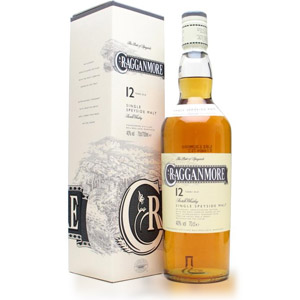
Mild and inoffensive. No smoke, no fruit, just a soft cereal character and light accents of florals and nuts. Somewhat meaty, although the flavor profile is mostly balanced around the nuts. Certainly worth the money, and a contender for the “midrange Speyside” spot in your cabinet.
Before you can taste it, though, you’ve got to know how to pick a whisky to try! This post will focus on single-malt scotch, which I think is the best possible place to get your bearings in the wider world of whisky.
Right now, like it or not, we are experiencing a boom. Distilleries are opening or ramping up production, prices are ratcheting higher, and limited-edition bottles are making headlines with record prices at auction. Many distilleries are riding the boom by releasing special bottlings and limited-editions at inflated prices because they know there’s consumer demand for them. So what’s to be done?
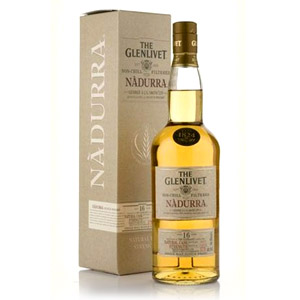
If you’re looking for a good solid Speysider without heavy-handed wine finishes or sherry aging, this one fits the bill, and isn’t overpriced. Also, if you’d like a gentle introduction to cask-strength whiskies, this one is a lot easier to handle for a first-timer than something like Aberlour abunad’h or a cask-strength from Islay.
Joshua Hatton and Jason Johnstone-Yellin, proprietors of the respected whisky blogs [] and [], respectively, have just announced a new venture. Similar to the Scotch Malt Whisky Society [link], the Jewish Single Malt Whisky Society (JSMWS) will provide paying members with access to exclusive single-cask bottlings of natural (no added coloring), un-chill-filtered, cask-strength scotches, selected by the founders.
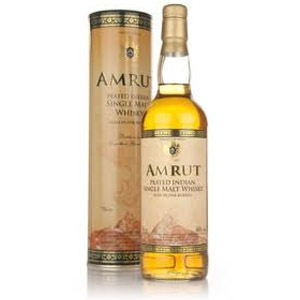
The youth of the malt means all of the complexity is in the peat, which delivers a lot of intense flavor, but not a lot of secondary notes. The alcohol burn is a bit rough – likely because of the quick maturation – but nevertheless, this is a powerful, peaty kick in the head that any true peat-head should take a look at.
For all the other newbies (noobs!) who come across my site, here’s some scotch 101. What scotch is, and how to smell and taste it.
Recently, a shop-exclusive bottling of a cask-strength Bruichladdich chenin blanc finish, imported by a certain *cough* local store, dismayed its retailers and purchasers alike by turning sour… in the bottle. I got a sample of the recalled spirit.